Wordless films › for the classroom

a library educators reach for

Wordless films for the classroom.

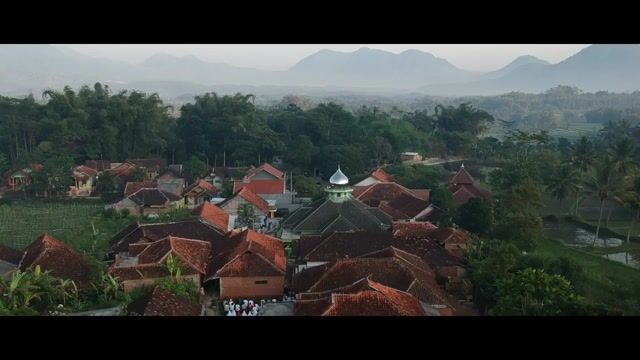
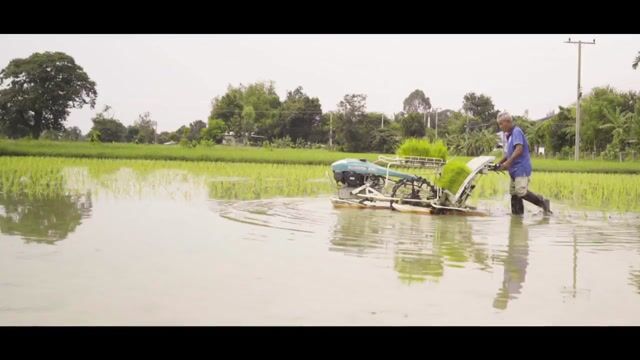
Real people, real places, no narration. Each film is a doorway into math, reading, world cultures, and the kind of conversation you cannot script. Show one cold, ask what your learners notice, and follow the thread.

66wordless films 14countries 0words needed
browse the full library → or weave a lesson
What are wordless films, and how do educators use them in the classroom?

A wordless film is a short, real-life story told in pictures, gesture, and music, with no narration and no script. Because nothing on screen tells learners what to think, they have to look closely, infer, and bring their own words. That single shift is why the same film can carry a fractions lesson one day and a writing lesson the next.

The pattern most educators use is simple. Play the film with no introduction. Ask the room what they notice. Then follow the questions that come up into whatever you are teaching. Below, the library is sorted by what each film tends to open. If you want the bigger picture first, start with why wordless films work in every classroom, or see one in a real lesson.

How to use a wordless film in your room.

three steps, about five minutes of setup.

1

Show it cold.

No title, no setup, no question on the board. Let the film be the first thing. The not-knowing is the point, and it is where curiosity starts.

2

Ask what they notice.

Not what it means yet. Just what is there. Every learner can answer that, regardless of reading level or first language, so the whole room is in on the first frame.

3

Follow the thread.

The questions the room asks are your lesson. Connect them to the math, the writing, or the culture you are teaching. Or let the lesson designer draft a plan around the film for you.

More wordless film collections.

Same library, sorted three ways, so you can land on the films that fit what your room needs next.

Questions educators ask.

tap a question to open it.

What grade levels are wordless films for, and do they work for students learning English?
All grades. Because there is no reading-level barrier, the same film works in an early-childhood room, a middle-school class, and a high-school seminar, and it works especially well for students learning English, who access the story at the same time and in the same way as everyone else. Younger learners notice the concrete details, older ones reach for inference and theme, and a mixed-age group can watch the same film and bring questions at their own level.
Are wordless films free to use in class?
You can browse the library and start any film without signing up. A free account opens the full films, and the lesson-designer and search tools live on the paid plans. See pricing for the details. reweave is a nonprofit, so every subscription goes back into the mission.
How long is each film?
Most run between two and five minutes. Long enough to follow a real arc of someone's day, short enough to leave plenty of time for the questions and the conversation that follow.
Can I build a whole lesson around one film?
Yes, and that is the most common way they are used. One film can anchor a math lesson, a writing lesson, and a discussion about culture across three different days. You can write the plan yourself or have the lesson designer draft one around any film and topic.
Do wordless films work for multilingual classrooms and language learners?
Especially well. With no narration to translate or decode, every learner accesses the same story in the same way at the same time. Education researcher Tony Wagner calls this a universal language that levels the playing field on the first frame.
Where can teachers see a wordless film used in a real classroom?
The watch pages show full lessons in action, including a fractions lesson built from Norma's banana farm and a literacy lesson built from Shantanu's chai stand, each with the complete film and a transcript.

pick one film. show it tomorrow.

No signup needed to browse. Just real stories told without words, ready for your room.